
Look back at the recent Unreal Engine 5 roadmap. We’ve had the lighting revolution with Lumen. We’ve had animation overhauls, and MetaHuman integrations that make rigging feel almost like cheating. But when it came to actual level design and material optimization? We’ve been fighting the same archaic limitations, holding our breath, and hoping for the best.
With Unreal Engine 5.8 slated for Preview 1 in May and a full release around mid-June. Epic is finally turning its attention to the dirt beneath our characters’ feet. Here is a tactical breakdown of what the 5.8 ue5-main branch is bringing to the table and why it actually matters for your workflow.
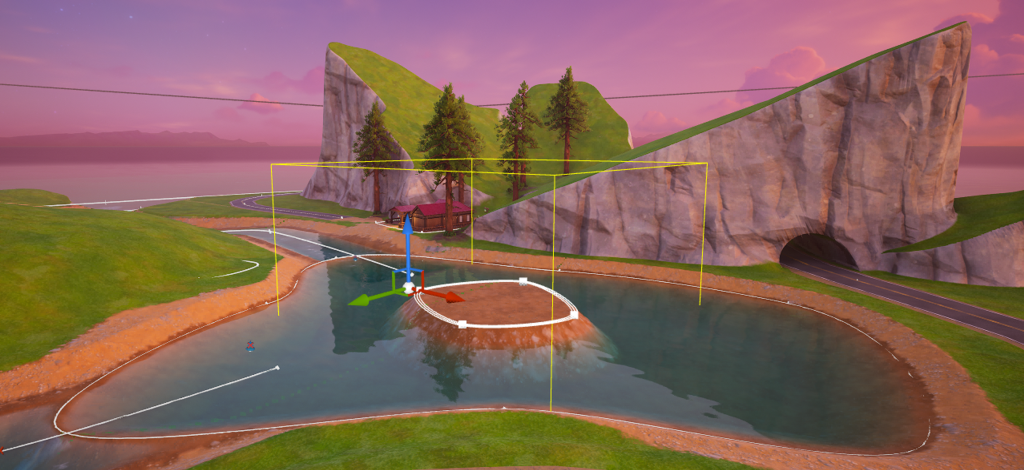
The Mesh Terrain System: Escaping the Height map
If you’re like me and struggled to carve out a proper cave without a static mesh workaround. Or you’ve ever spent four hours deep in a Blueprint debugging session or fighting a landscape material , this is your salvation.
The new experimental Mesh Terrain system simplifies level design! fully 3D, leveraging a Mesh Partition architecture with non-destructive modifiers. We are talking non-uniform resolution, native overhangs, sheer cliff walls, and tunnels baked right into the terrain geometry.
The Execution: You don’t need a dozen modular rock meshes to fake a cliff side anymore. This is the absolute shortest path from A to B for world-building. Saving days of manual landscape sculpting and asset placement.
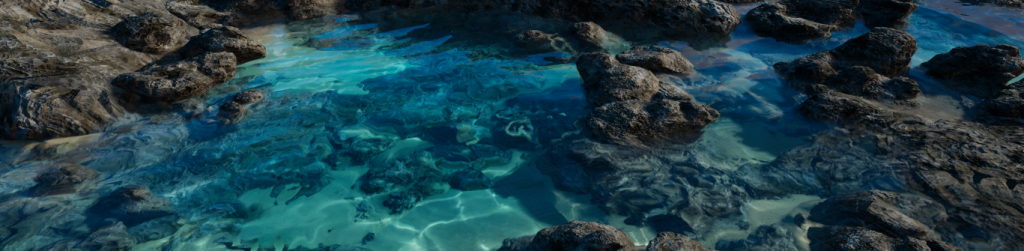
The Water Plugin: Finally Integrating with the Earth
Let’s address the elephant in the room. The Water plugin has been trapped in “Beta” purgatory since what feels like the dawn of time. Will 5.8 finally see it hit production readiness?
While we can’t promise the engine gods won’t strike us with a crash on compile, 5.8 introduces a crucial new bridge: Mesh Partition Water. This plugin translates the existing water body tools into the new Mesh Partition terrain system
The Execution: If Epic manages to stabilize this interaction, We could finally build a river without breaking the entire map. It eliminates the need for complex, bug-prone spline workarounds.
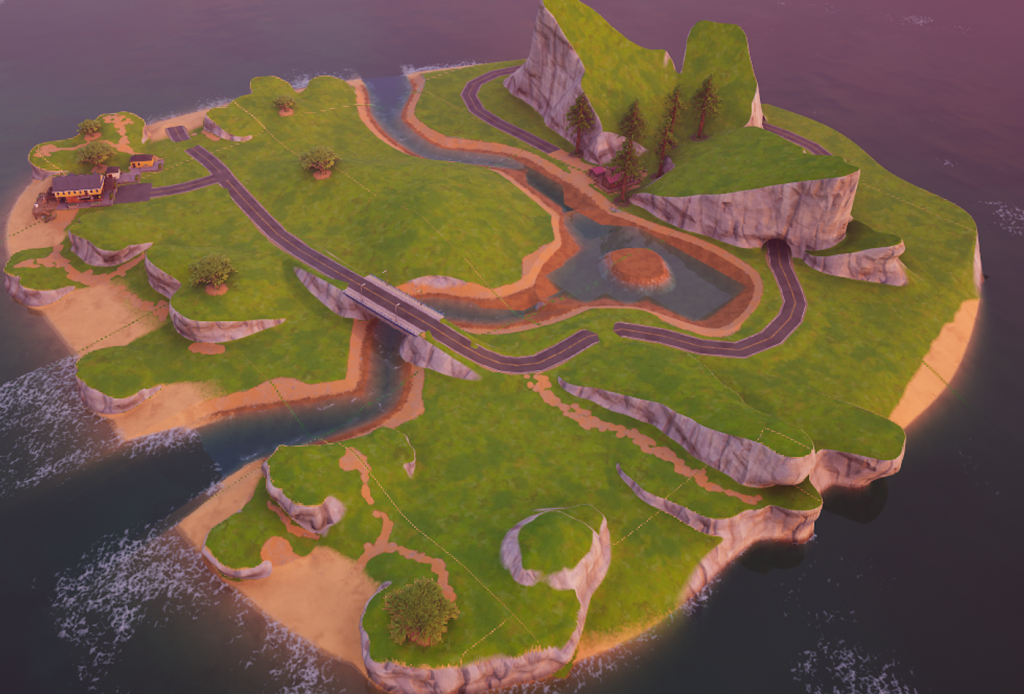
Slaying Shader Permutations: The New Material Translator
Nothing kills momentum quite like the “Compiling Shaders” notification holding your editor hostage. A massive, under-the-radar update coming to 5.8 is the New Material Translator, which finally introduces proper dynamic branching.
The Execution: By using an ‘If’ node in a material meant the engine would compile every possible permutation, bloating your project and tanking iteration speed. Proper dynamic branching means the engine only evaluates the path being actively used. It drastically reduces shader permutations, meaning less time waiting on the compiler and more time actually building the game.

The Animation Overhaul: Preparing for the UAF Era
If untangling a spaghetti-monster Animation Blueprint, or watching your game thread choke on a complex state machine makes your cringe. Pay attention, Epic is officially laying the groundwork for the UAF (Unreal Animation Framework).
Slated to eventually replace traditional Anim Blueprints entirely, UAF is designed from the ground up to be fully multithreaded. We are already seeing the stepping stones for this in the updated GASP (Game Animation Sample Project), where procedural nodes are being moved into Control Rig.
Instead of dragging your mesh tick through the game thread and creating massive bottlenecks. UAF pushes the heavy lifting to worker threads. It also introduces “abstract skeletons,” decoupling your anim graph from specific skeletons. You build the logic once, and it applies anywhere. While it will still be marked as experimental in 5.8, it’s an efficiency goldmine that means less time wrestling with retargeting and more time actually making things move.
5. Standardizing the Rig: Gameplay Cameras (GPC)
We have all built custom camera logic in Blueprints. We have all broken that exact same custom camera logic by tweaking one collision setting. The Gameplay Cameras (GPC) plugin is finally pushing out of its experimental phase.
Instead of writing bespoke, black-box camera math for every new project, GPC provides a unified, component-based architecture for camera behaviors. the shortest path from A to B for setting up dynamic third-person rigs, transitions, and camera shakes. It saves you from spending hours debugging why your camera just clipped through the floor and sent your player into the void.
The Reality of the 5.8 Transition
Unreal Engine 5.8 isn’t just adding shiny new rendering toys; Epic is systematically dismantling the most painful bottlenecks in our daily workflows. Whether you are ready to finally ditch the height map for the new Mesh Terrain, or you are bracing yourself to learn the UAF before Animation Blueprints go the way of Matinee, the shift is happening.
But here is the real question: which of these features is actually going to save your current project, and which one is just going to break your existing Blueprints?
Drop your thoughts below. Are you migrating to 5.8 on day one, or are you going to let the rest of us beta-test the bugs first? Let’s talk about it.

Exciting update. Installing it of course and with a backup convert my project to test? why not. Maybe not on day one but surely.